
What You Need to Know About Electrical Upgrades for Your Home
- walteriaelectric
- Sep 13, 2025
- 5 min read
Upgrading the electrical system in your home is an important step to ensure safety, efficiency, and convenience. Whether you’re planning to add new appliances, improve lighting, or prepare your home for smart technology, understanding the basics of electrical upgrades can help you make informed decisions. I’m here to guide you through what you need to know about residential electrical upgrades, using clear and simple language.
Why Residential Electrical Upgrades Matter
Your home’s electrical system is the backbone of modern living. Over time, electrical needs change as you add more devices, appliances, and technology. Older wiring and panels may not handle the increased load safely. This can lead to frequent breaker trips, flickering lights, or even fire hazards.
Upgrading your electrical system can:
Improve safety by reducing the risk of electrical fires and shocks.
Increase capacity to support new appliances and devices.
Enhance energy efficiency with modern wiring and equipment.
Boost home value by making your property more attractive to buyers.
Support smart home technology for convenience and control.
If you notice any signs of electrical problems, such as outlets that don’t work, burning smells, or flickering lights, it’s time to consider an upgrade. A professional electrician can assess your system and recommend the best solutions.

Electrical panel showing circuit breakers ready for upgrade
Understanding Residential Electrical Systems
Before diving into upgrades, it helps to understand the basics of your home’s electrical system. Your home receives electricity from the utility company through a service entrance. This power flows into the main electrical panel, which distributes electricity to circuits throughout your home.
Key components include:
Main electrical panel: The central hub where power is divided into circuits.
Circuit breakers: Safety devices that shut off power if a circuit is overloaded.
Wiring: Conductors that carry electricity to outlets, switches, and fixtures.
Outlets and switches: Points where you connect devices and control lighting.
Older homes may have outdated panels with limited capacity, such as 60 amps, while modern homes typically have 100 to 200 amps. Upgrading your panel increases the amount of electricity your home can safely use.
When planning upgrades, consider:
The number of circuits you need.
The type of wiring required.
Compatibility with new appliances or systems.
Local electrical codes and permits.
Working with a licensed electrician ensures your upgrades meet safety standards and function properly.
What is the Most Common Residential Electrical Service?
One of the most common residential electrical services is upgrading the electrical panel. Many homes built decades ago have panels that cannot handle today’s electrical demands. Upgrading to a modern panel with more circuits and higher amperage is a frequent request.
Other common services include:
Adding new circuits for kitchens, laundry rooms, or home offices.
Installing GFCI outlets in bathrooms, kitchens, and outdoor areas for safety.
Replacing old wiring such as knob-and-tube or aluminum wiring.
Upgrading lighting to energy-efficient LED fixtures.
Installing surge protectors to safeguard electronics.
These upgrades improve safety, convenience, and energy efficiency. If you’re unsure what your home needs, a professional electrician can perform an inspection and recommend the right services.

Electrician upgrading a residential electrical panel
Signs You Need an Electrical Upgrade
It’s not always obvious when your home needs an electrical upgrade. Here are some common signs to watch for:
Frequent breaker trips: If your circuit breakers trip often, your system may be overloaded.
Flickering or dimming lights: This can indicate wiring issues or insufficient power.
Outlets that don’t work: Dead outlets may signal wiring problems.
Warm or discolored outlets and switches: Heat or discoloration is a warning sign of electrical trouble.
Buzzing sounds from outlets or panels: This noise can indicate loose connections or faulty components.
Use of multiple extension cords: Relying on extension cords for permanent power needs is unsafe.
Old fuse boxes: Fuse boxes are outdated and less safe than modern breakers.
If you notice any of these signs, it’s a good idea to schedule an electrical inspection. Upgrading your system can prevent hazards and improve your home’s performance.
How to Plan Your Electrical Upgrade
Planning your electrical upgrade carefully will save time and money. Here are some steps to help you get started:
Assess your current system: Identify the age and condition of your panel, wiring, and outlets.
List your electrical needs: Consider new appliances, lighting, and technology you want to add.
Set a budget: Electrical upgrades vary in cost depending on the scope of work.
Hire a licensed electrician: Choose a professional with experience in residential electrical services.
Obtain permits: Your electrician will help secure necessary permits to comply with local codes.
Schedule the work: Plan for the upgrade to minimize disruption to your daily routine.
Test and inspect: After the upgrade, ensure everything works safely and efficiently.
Remember, electrical work is complex and potentially dangerous. Always rely on qualified professionals rather than attempting DIY upgrades.
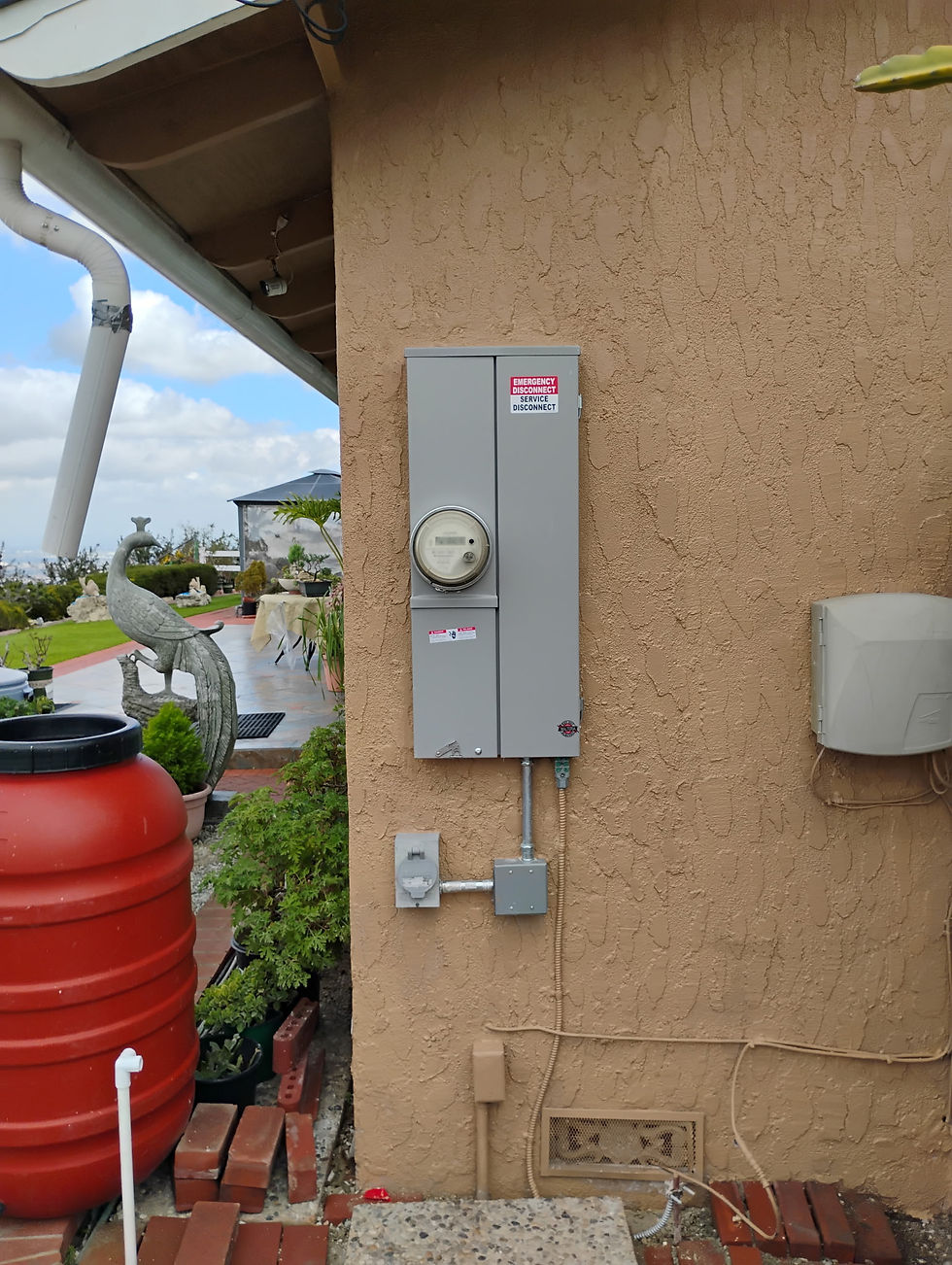
200 Amp main panel upgrade
Benefits of Professional Residential Electrical Services
Choosing professional residential electrical services ensures your upgrade is done safely and correctly. Licensed electricians have the training, tools, and knowledge to handle all aspects of electrical work.
Benefits include:
Safety: Professionals follow strict safety standards to protect your home and family.
Code compliance: Licensed electricians ensure your system meets local building codes.
Quality workmanship: Proper installation reduces the risk of future problems.
Warranty and insurance: Many electricians offer warranties and carry insurance for peace of mind.
Expert advice: Professionals can recommend the best solutions tailored to your needs.
Investing in professional services protects your home and adds value over time.
Preparing Your Home for an Electrical Upgrade
Before the electrician arrives, there are a few things you can do to prepare:
Clear access to the electrical panel: Make sure the area around your panel is free of clutter.
Inform family members: Let everyone know about the planned work and any power outages.
Unplug sensitive electronics: Protect devices from power surges during the upgrade.
Plan for temporary power loss: Arrange for alternative lighting or power if needed.
Discuss your needs: Communicate any special requirements or concerns with your electrician.
Being prepared helps the upgrade go smoothly and efficiently.
Looking Ahead: Future-Proofing Your Electrical System
When upgrading your electrical system, it’s smart to think about the future. Technology and energy needs will continue to evolve, so planning ahead can save you money and hassle later.
Consider:
Extra circuits: Adding a few extra circuits now can accommodate future appliances or rooms.
Smart home integration: Wiring for smart lighting, thermostats, and security systems.
Electric vehicle charging: Installing a dedicated circuit for an EV charger.
Energy-efficient upgrades: Using LED lighting and energy-saving devices.
Solar power compatibility: Preparing your system for solar panel installation.
Future-proofing your electrical system ensures your home stays safe, efficient, and ready for new technology.
Upgrading your home’s electrical system is a smart investment in safety, comfort, and value. By understanding the basics and working with professionals, you can enjoy a reliable and efficient electrical system for years to come. If you’re ready to explore your options, don’t hesitate to reach out to experts who specialize in residential electrical upgrades.
Your home deserves the best care when it comes to electricity - and with the right upgrades, you’ll have peace of mind and power that meets your needs today and tomorrow.


Comments